The Solitaire Ring of the Tower
Performance, Amalgama Space 2017–2018, Athens, Supported by the Hellenic Ministry of Culture.
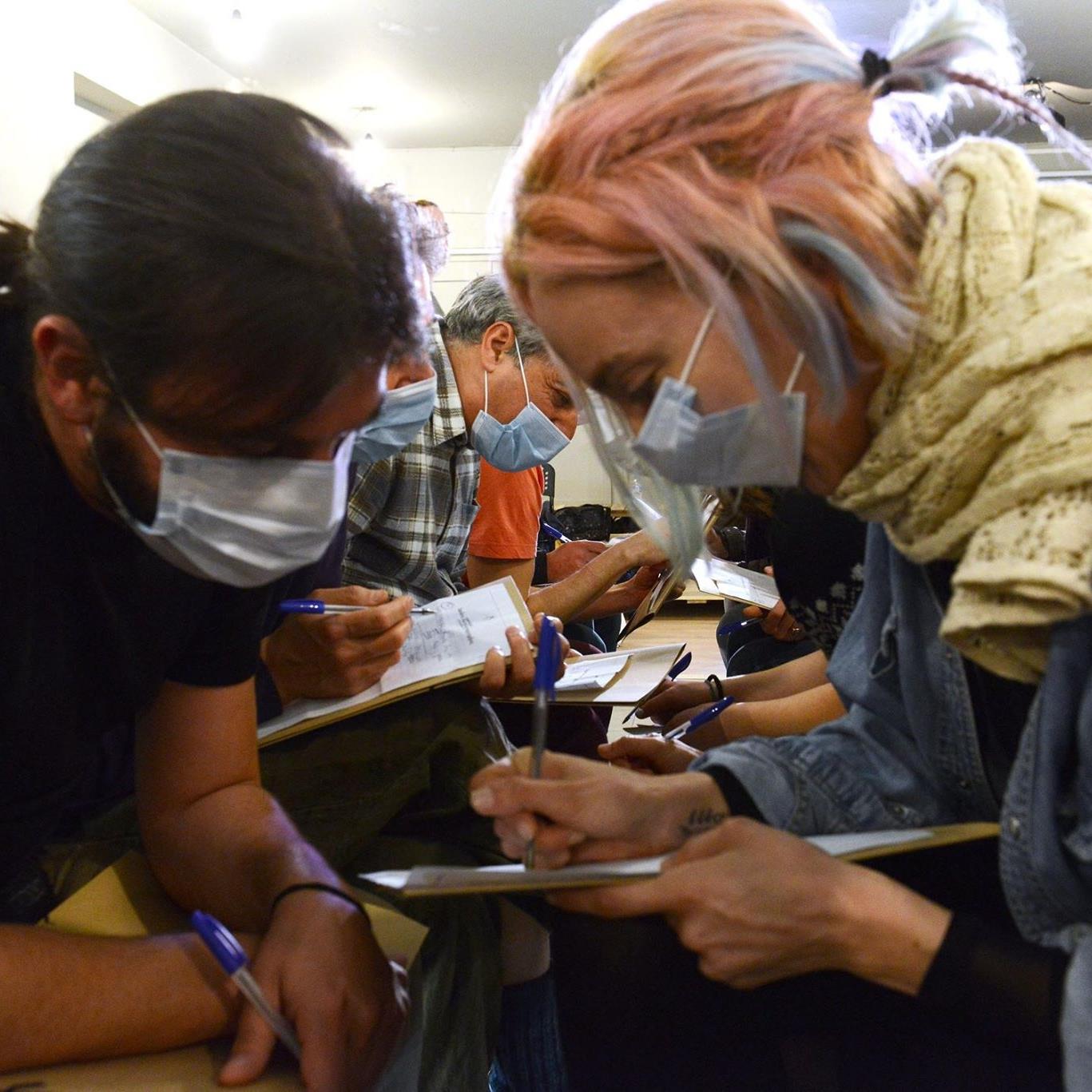
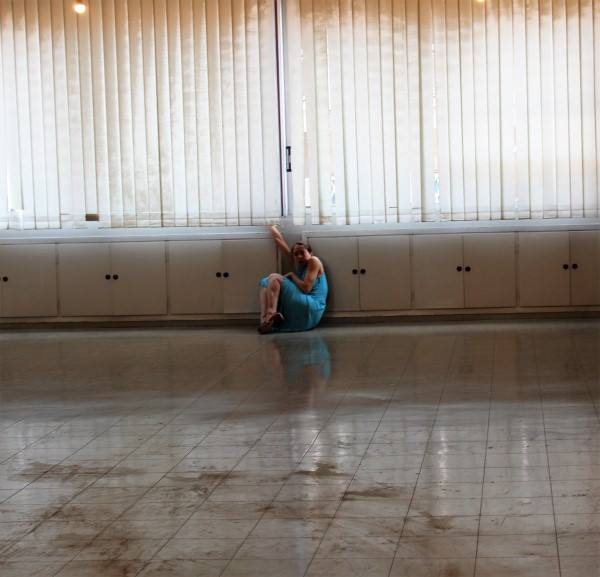
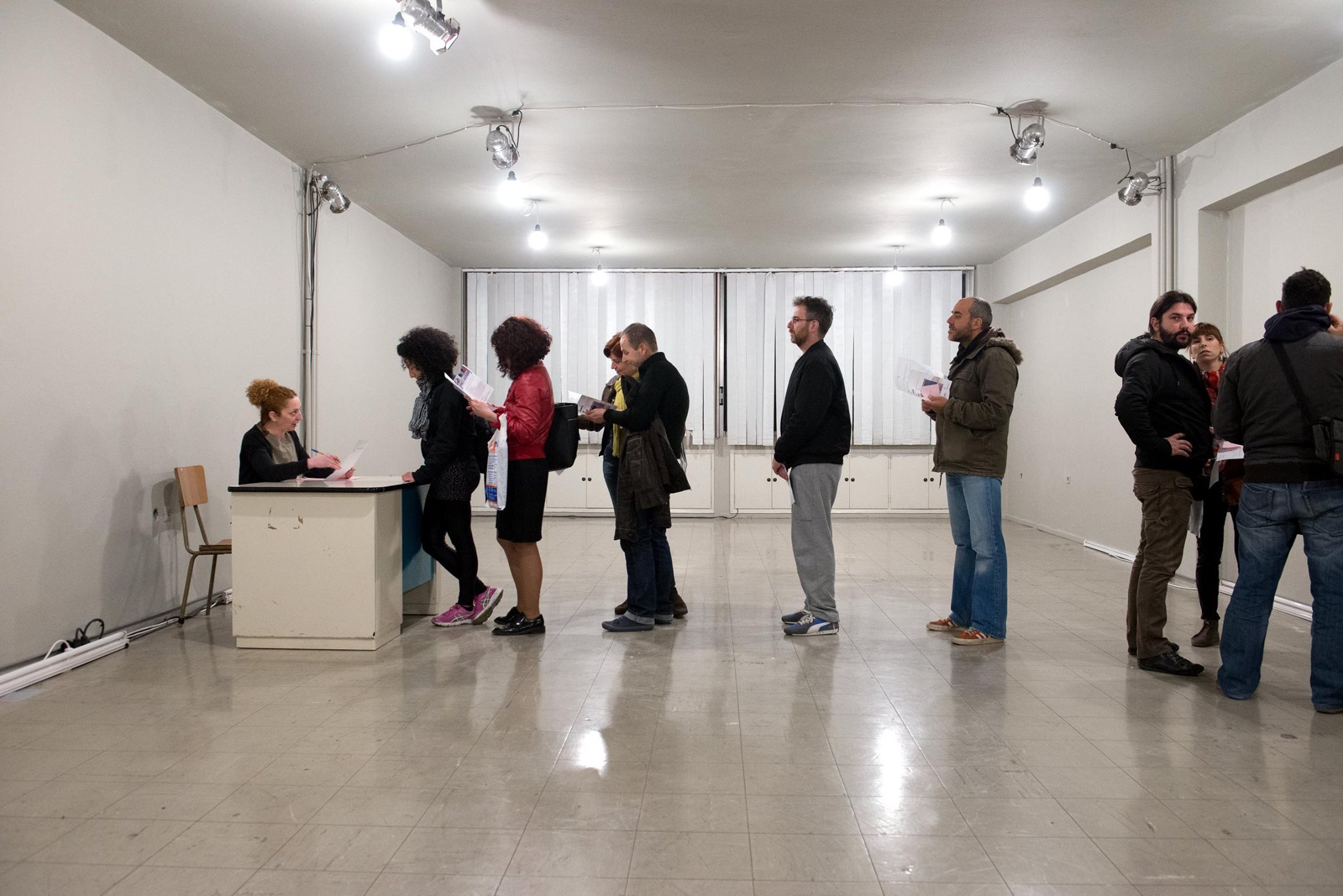
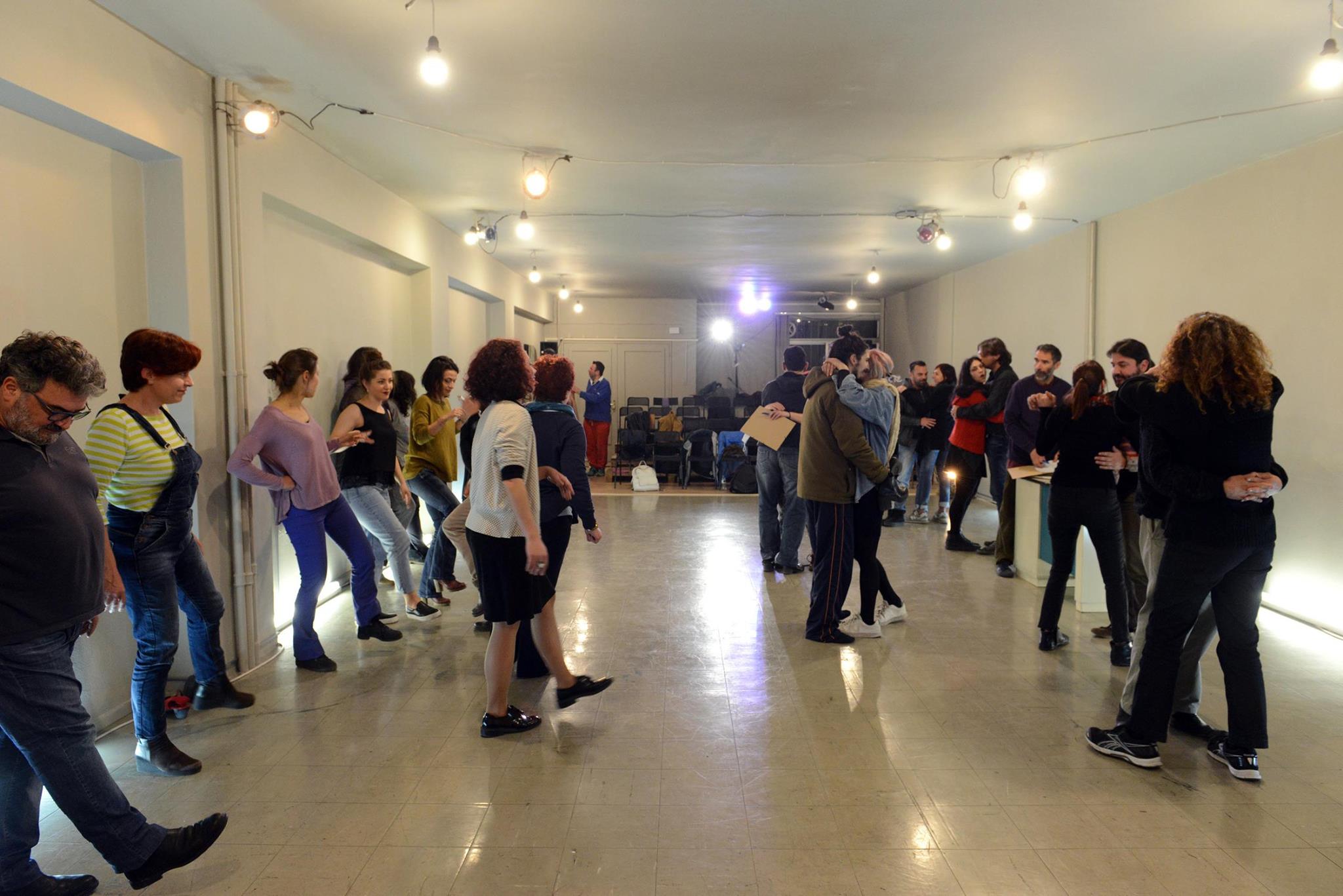
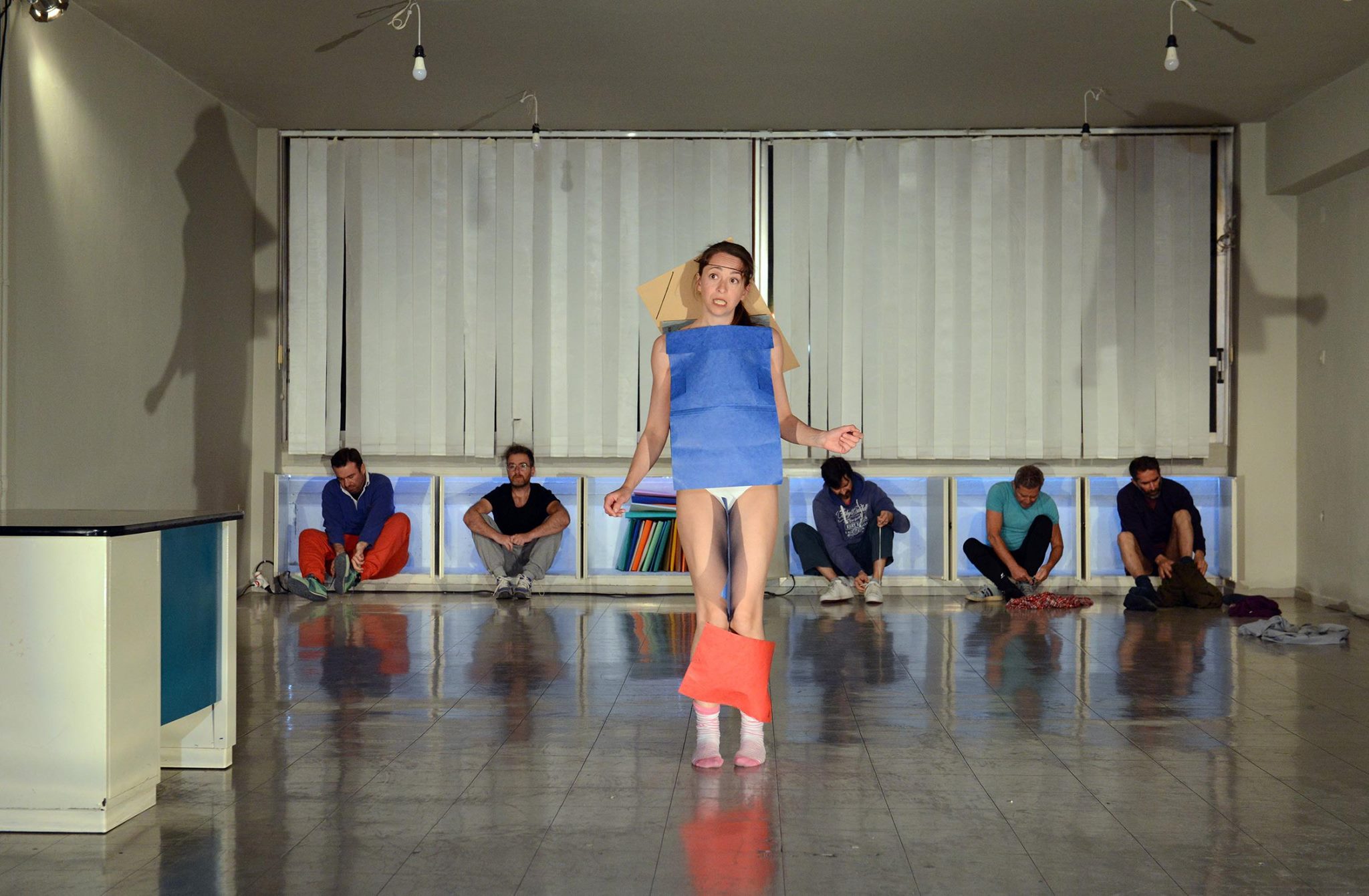
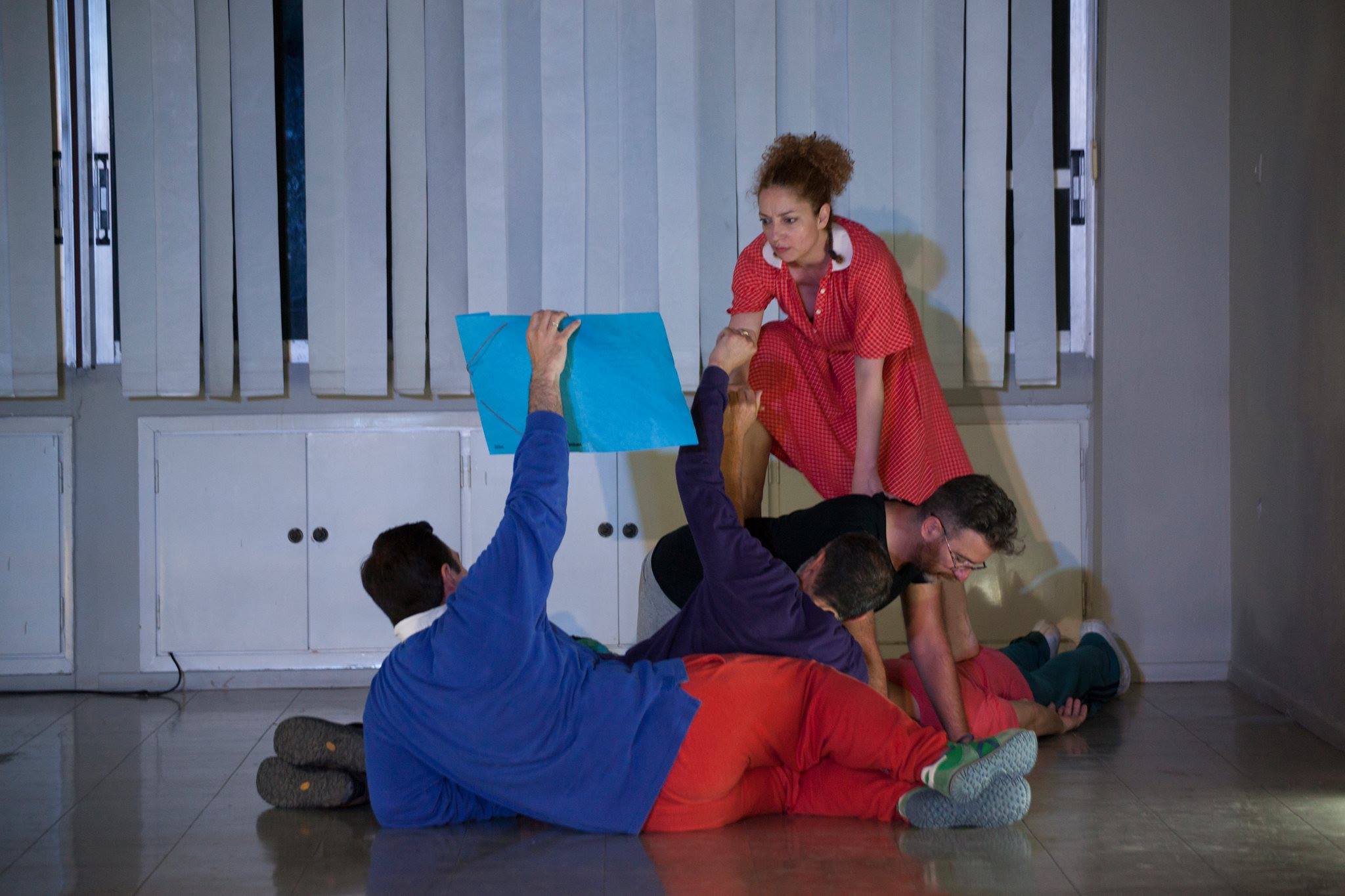
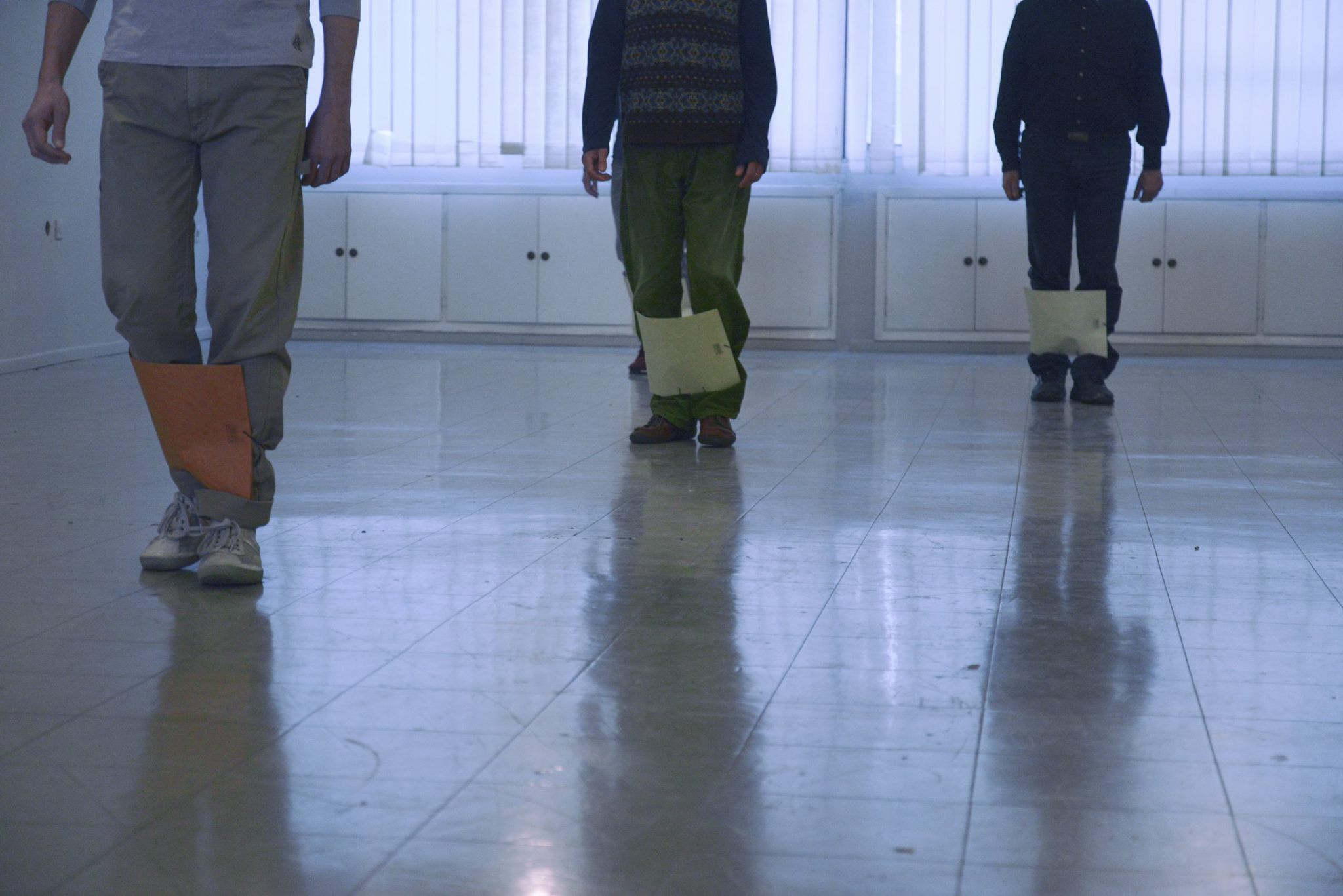
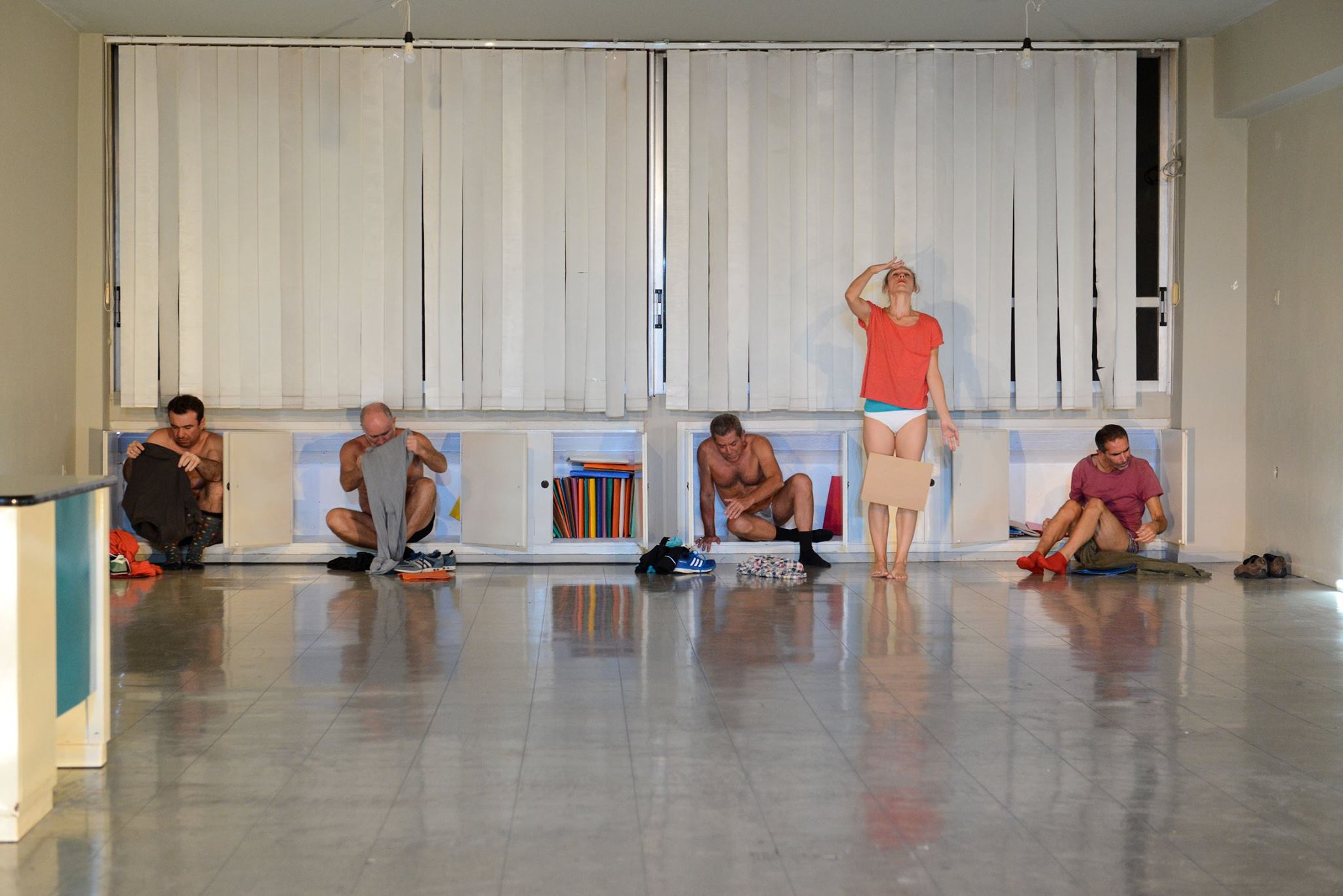
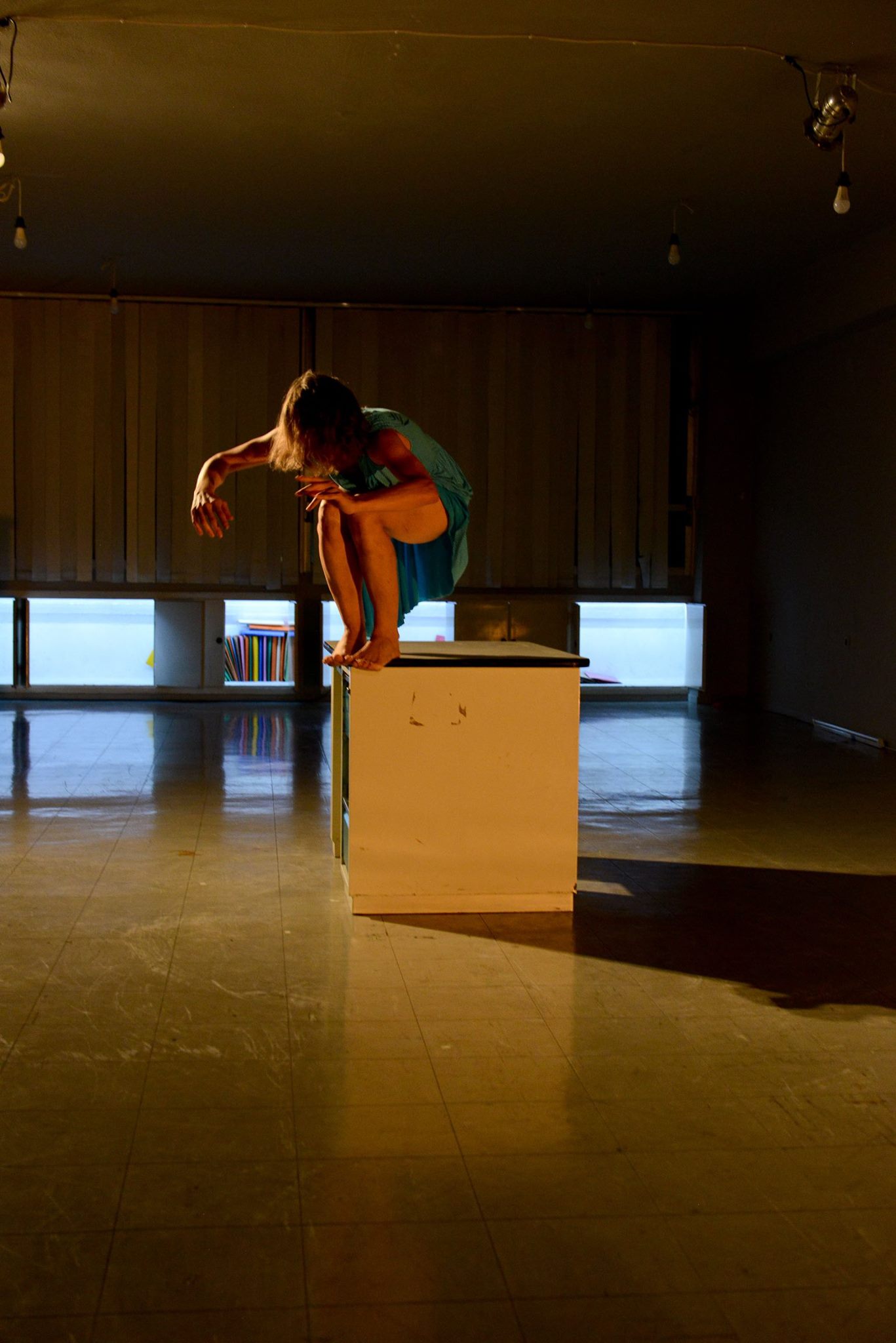
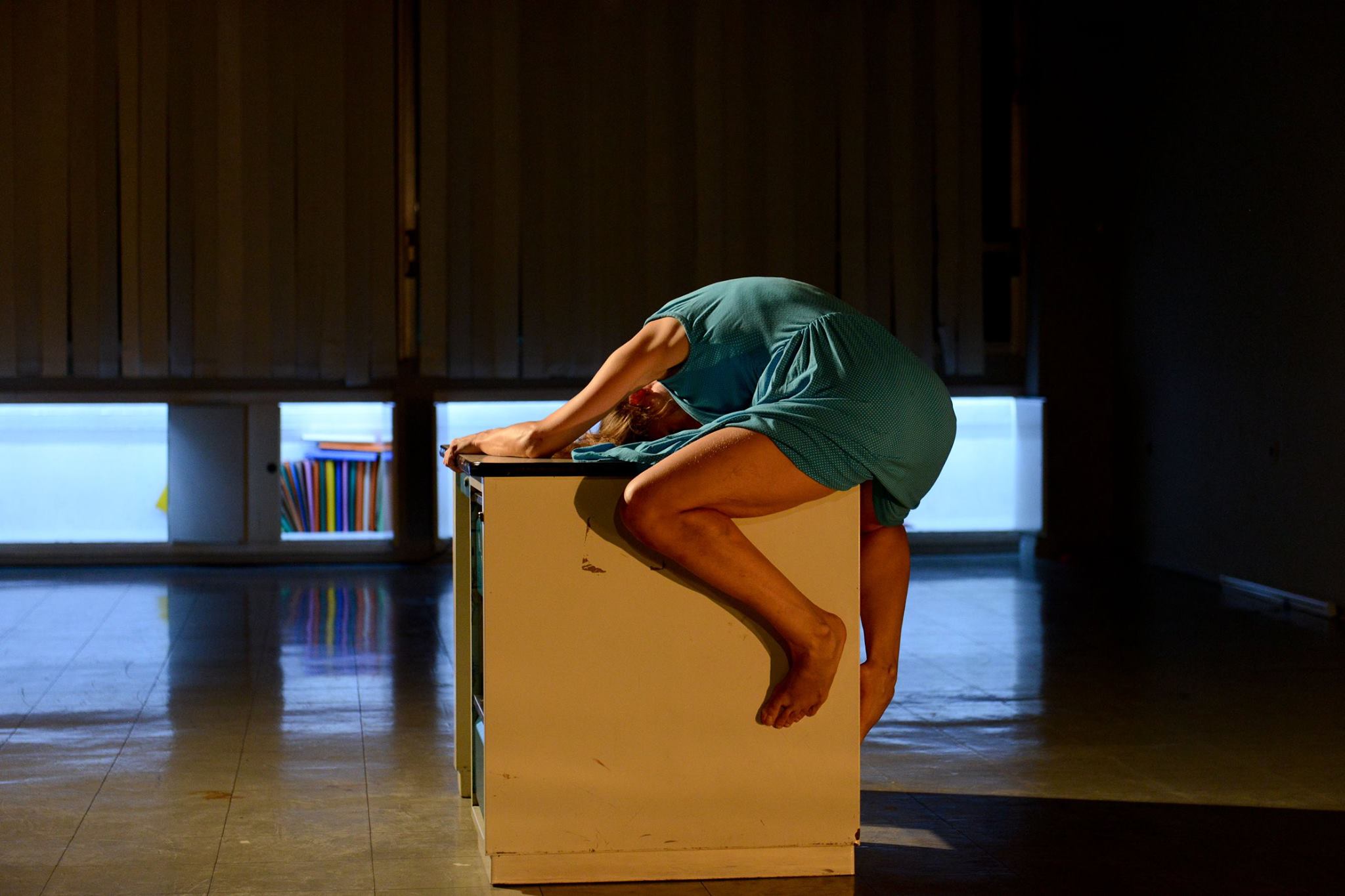
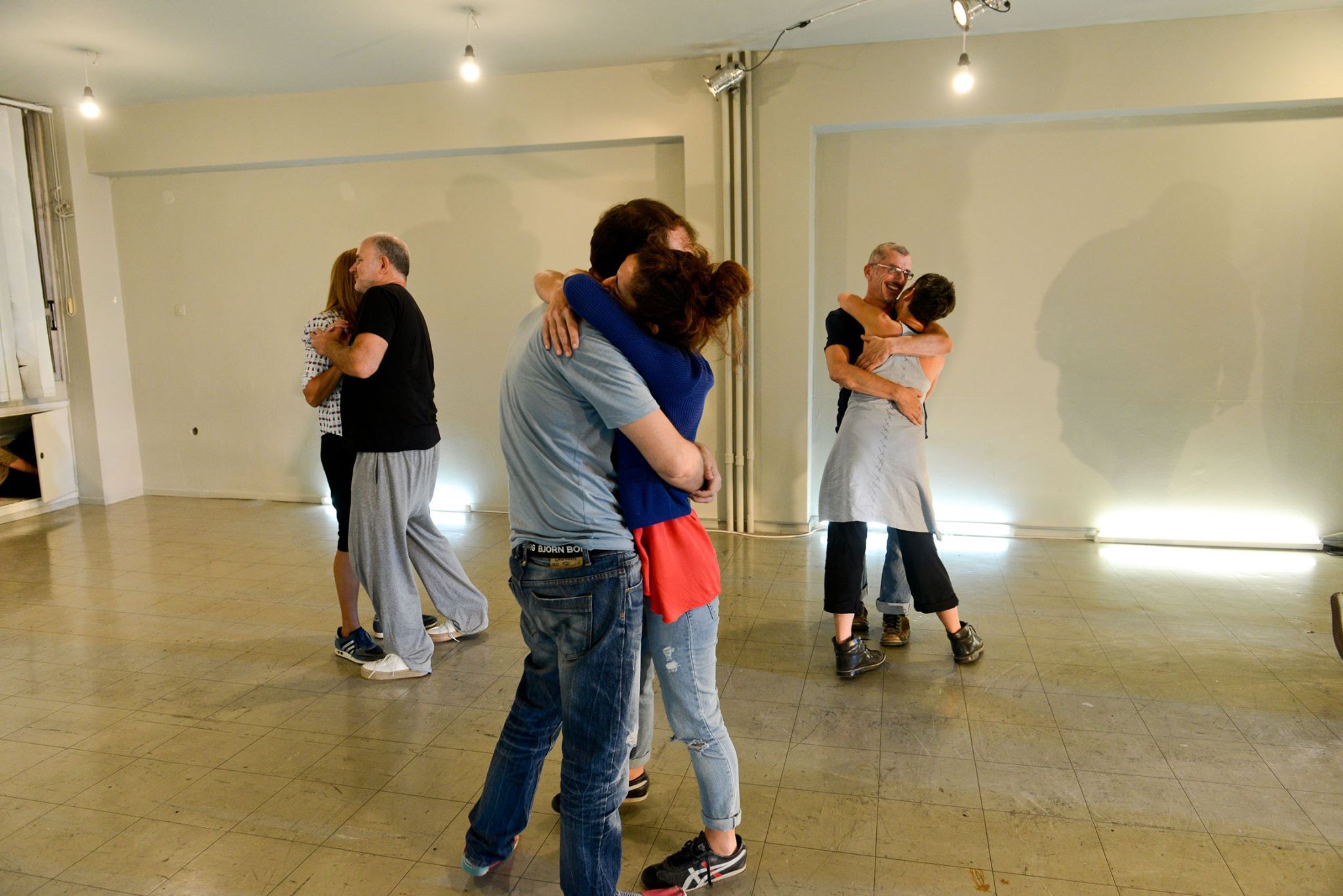
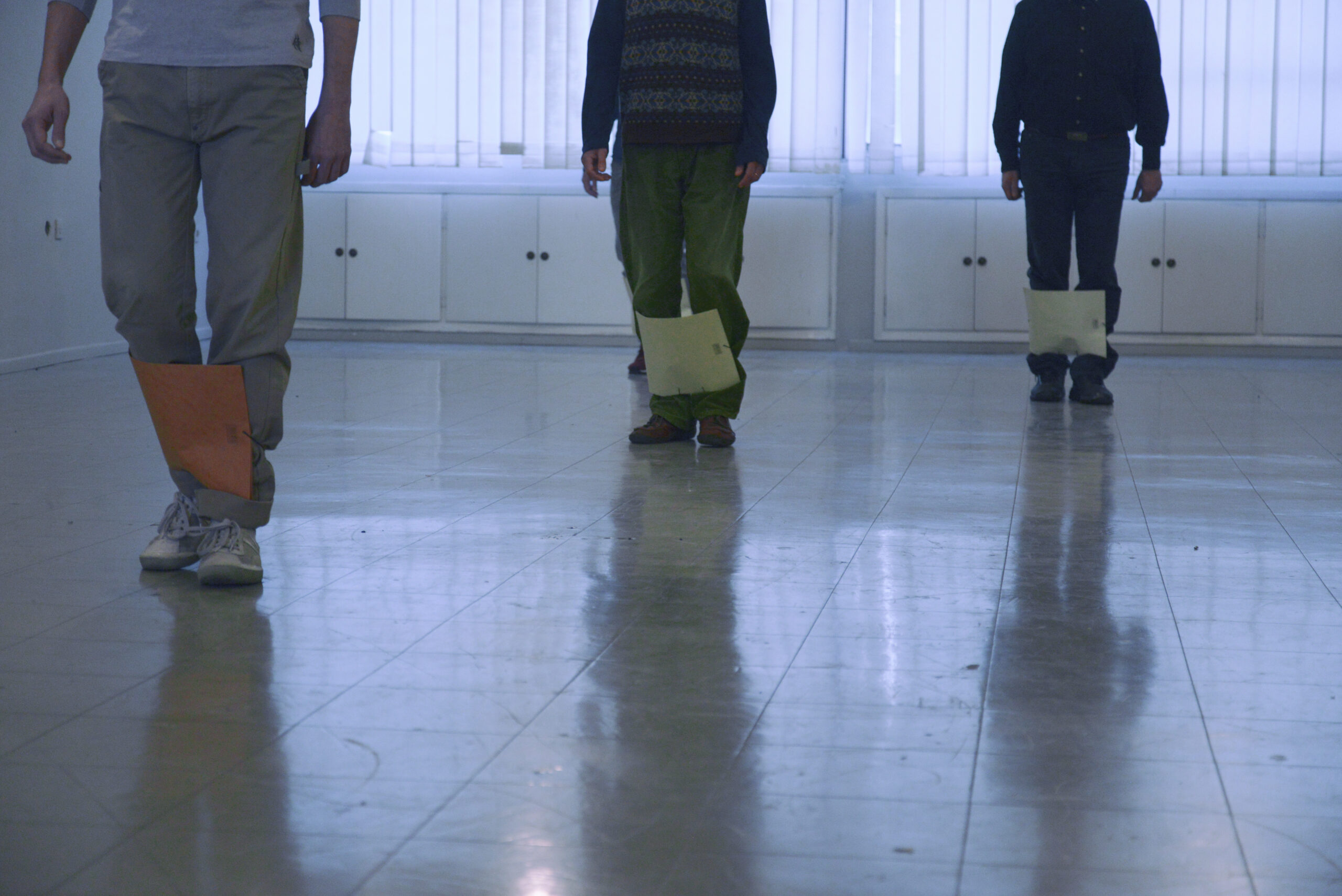
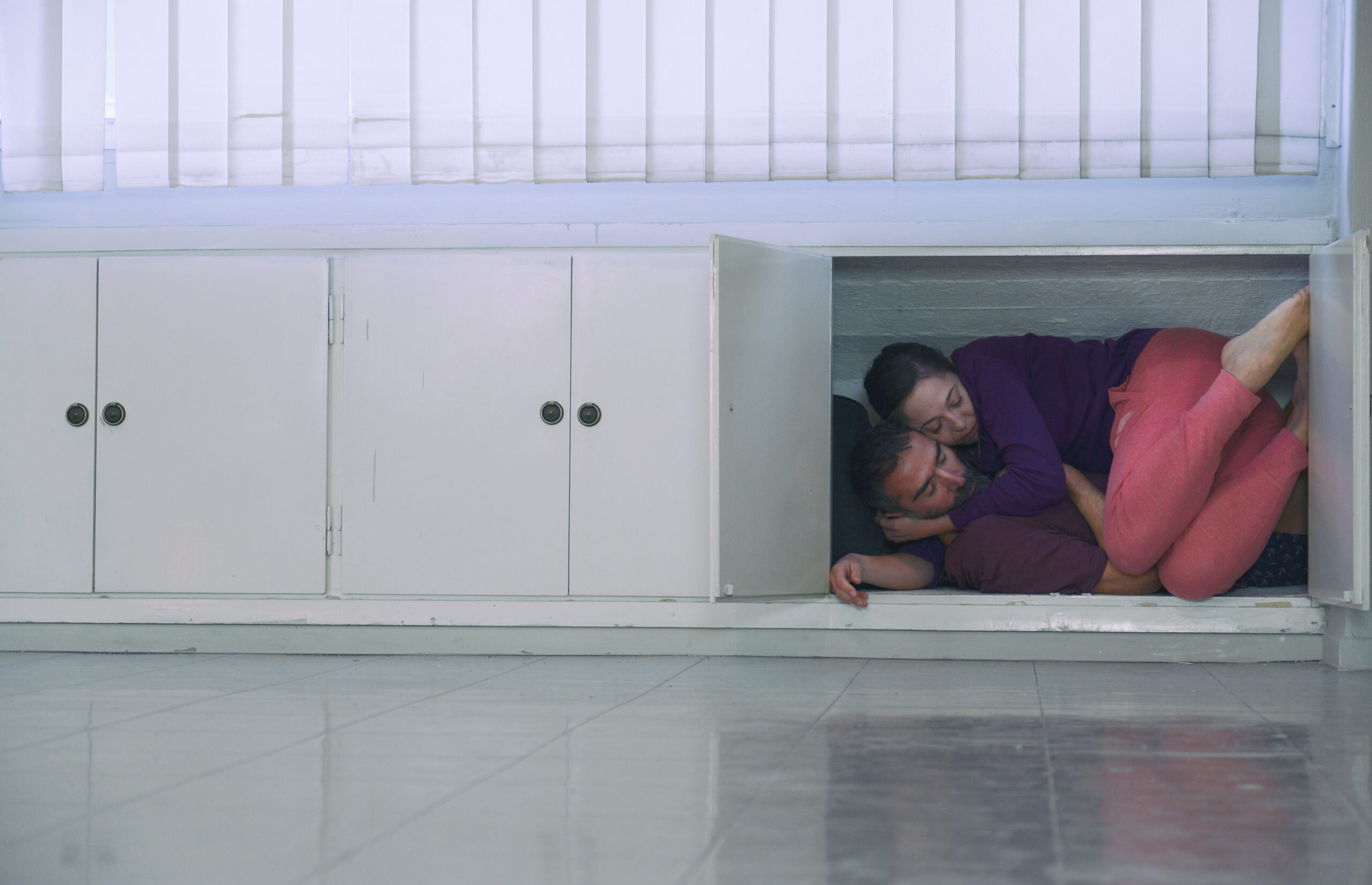
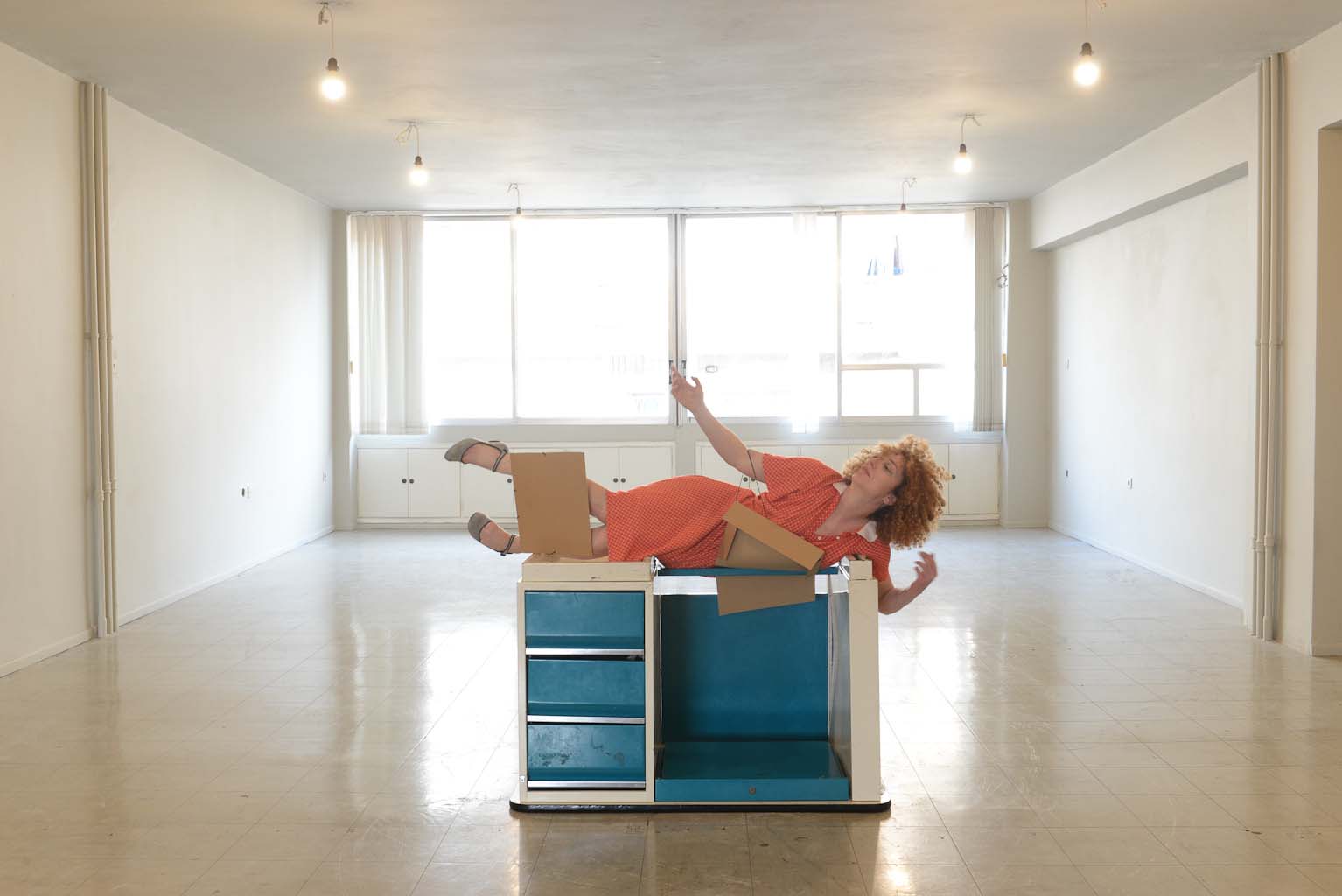
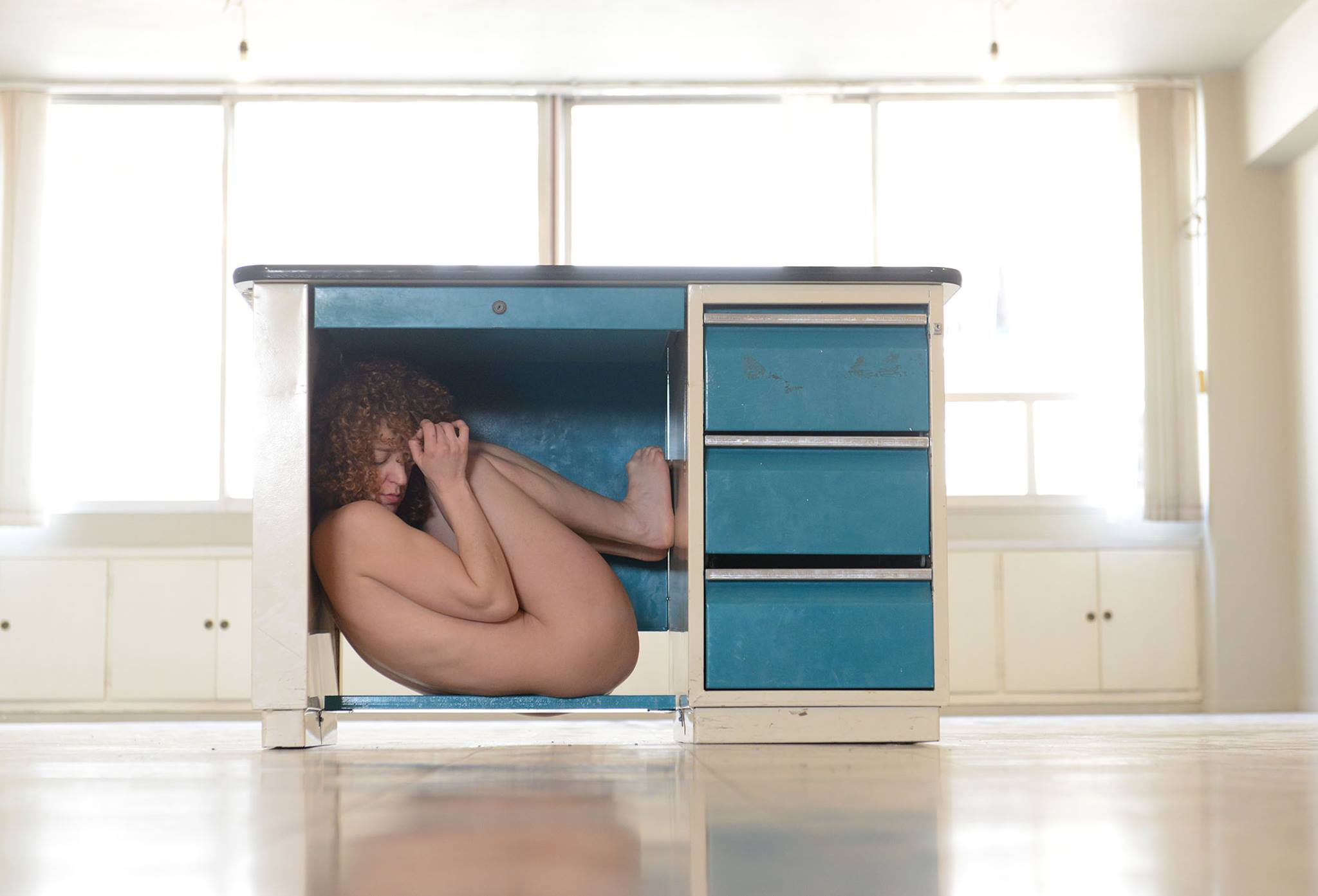
The new work, titled The Solitaire Ring of the Tower, takes a step back (compared to the child-adult in “Kindergarten”), toward the Family and the deeper human anxiety of belonging “somewhere” rather than being “someone.” As the Nuclear Family (and especially the Greek family) thoroughly trains individuals not to develop ownership of the Self, but to “live attached, so that they annex pieces of other people to the Self and then ignore the difference between heterogeneity in themselves and self-identity” (David Cooper, “The Death of the Family”), the need to belong somewhere and the sense of an incomplete Self is magnified. Interpersonal relationships and “romances” often originate primarily from this feeling of being unable to live alone, and from the societal pressure that labels women “spinsters” if they live alone even temporarily. Within this familial structure, instead of the individual discovering and developing a flexible dialectic between “being alone” and “being alone with another,” from an early age it is instilled that “to be well—or to appear to be well—you must be with someone.” With central inspiration from Kafka’s “The Tower” and, to a (perhaps extreme) extent, David Cooper’s “The Death of the Family”, “The Solitaire Ring of the Tower” moves from the personal to the collective-political, from gendered issues to deeper existential ones, from the almost surreal narrative of Kafka to the realism of today. As the Tower’s Surveyor has been reimagined by Klam (with genders reversed from Kafka’s work) and is obsessed with belonging to the Tower, so too in the contemporary context, the individual’s anxiety is not to develop a sense of who they are, but to assume a specific role (spouse, parent, etc.), to belong somewhere, to find a partner, to marry, and thus acquire identity. Social stereotypes emerge again through simple everyday scenes. At the root may lie the problematic relationship with the Mother, as the most significant formation of the self occurs in the very early years, when the child exists as an extension of the mother’s body and mind (she herself having been “taught” by her own mother that something is missing). In 21st-century Greece, the Matriarchal Patriarchy, sometimes wearing feminist attire, continues to dominate. The new performance space on the 5th floor of Menandrou 47 was chosen symbolically. The space resembles a public service office (e.g., tax office), and audience members in good physical condition are initially asked to climb the 5th floor on foot instead of taking the elevator. There, the space transforms into a matchmaking office, spaces through which Kafka’s “Tower” Surveyor passed, and other unexpected areas. This is another interactive piece, with some scenes involving audience participation. A special audition was held for “The Solitaire Ring of the Tower” to find male participants who were not professional performers, spanning middle-aged adults (40–60 years old) and various professions, to ensure an element of raw, unpolished realism and blur the boundaries between real and staged. The “woman” in the performance, who is simultaneously “many” and “one,” is performed by the solo dancer Sania Strimbakou, (Nikoletta Xenariou in the first version) and the choreographer Maria Gorgia. Concept / Choreography / Direction / Scenography: Maria Gorgia, Performers: Maria Gorgia, Theofanis Kalevras, Pavlos Lautaris, Nikoleta Xenariou, Giannis Spanos, Sania Strimbakou, Texts: Franz Kafka, Maria Gorgia, Text Adaptation: Maria Gorgia, Lighting: Periklis Mathiellis, Photography: Angeliki Svoronou , Text Editing: Efi Giannopoulou, Press & Communications: Aris Asproulis.