The Rider and the Elephant
Performance, Milan “The Naked Theater” Festival of Teresa Pomodoro 2021, Amalgama Space, Athens 2021, production by Amalgama.
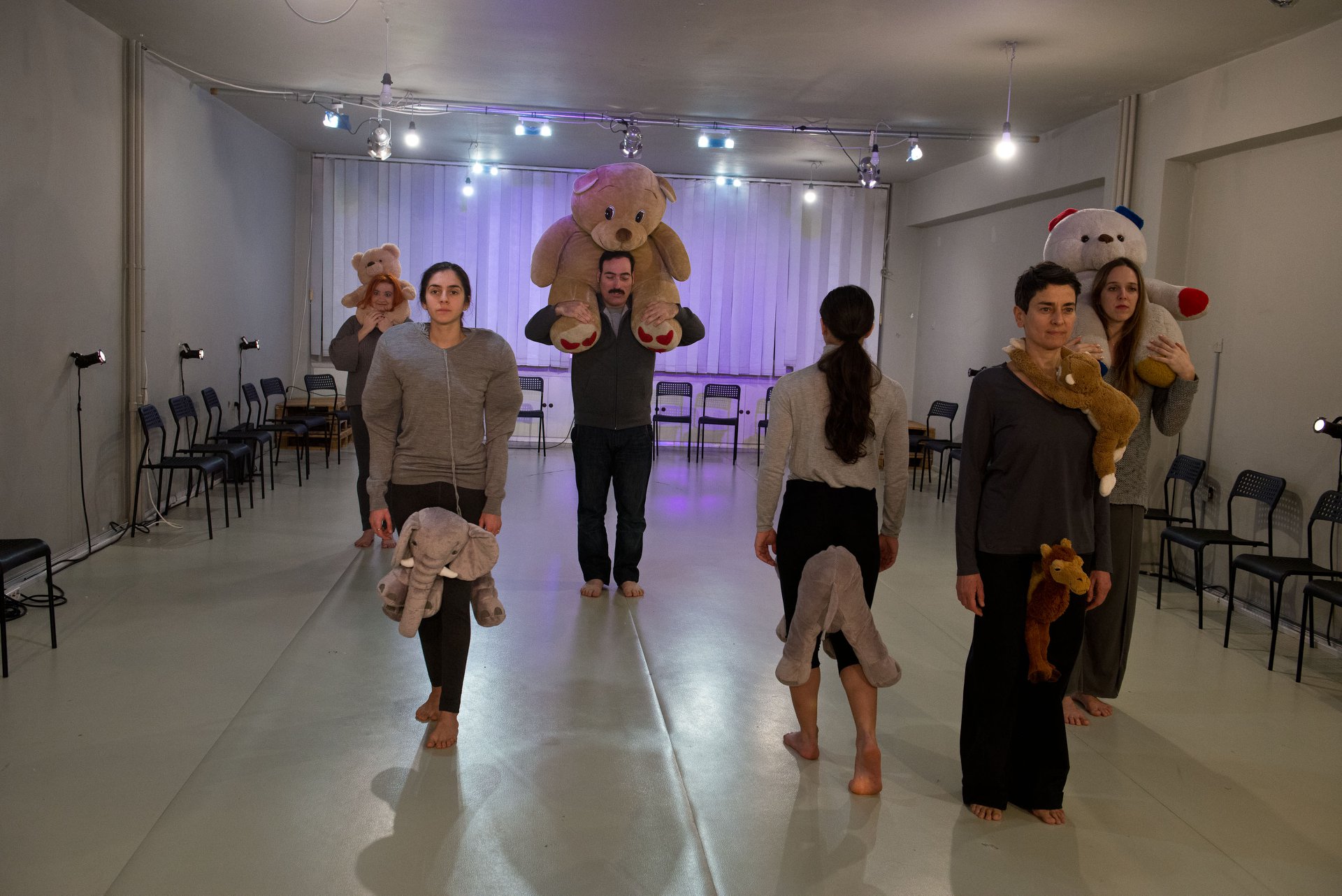
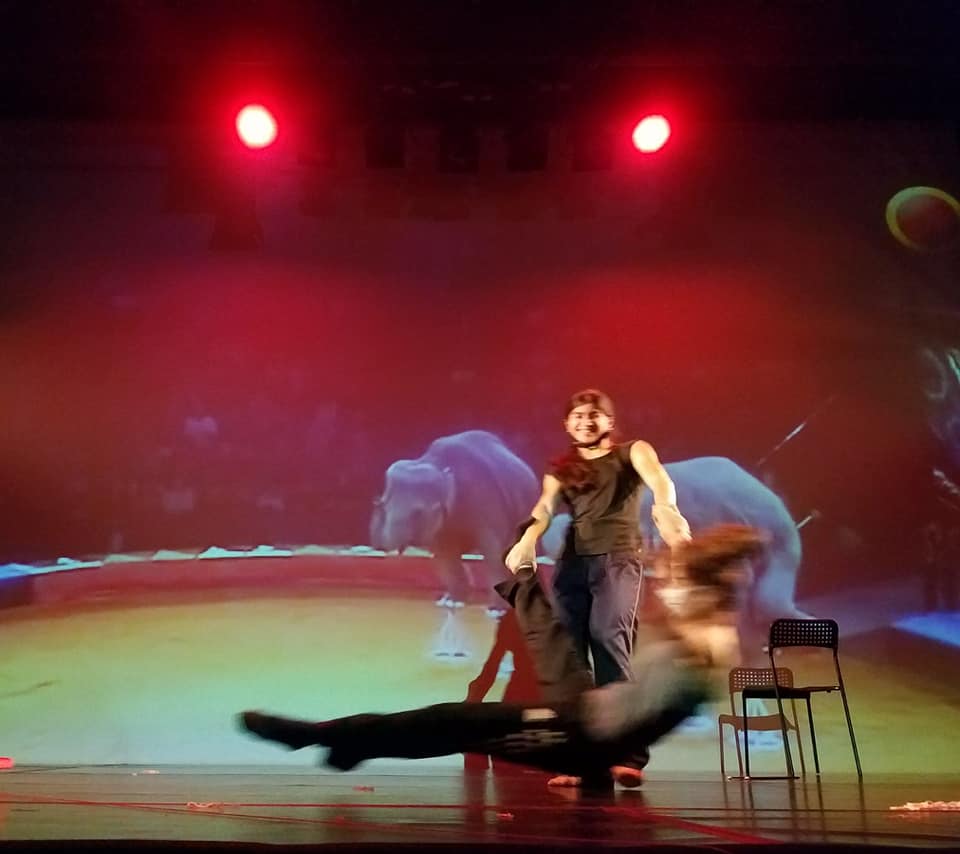
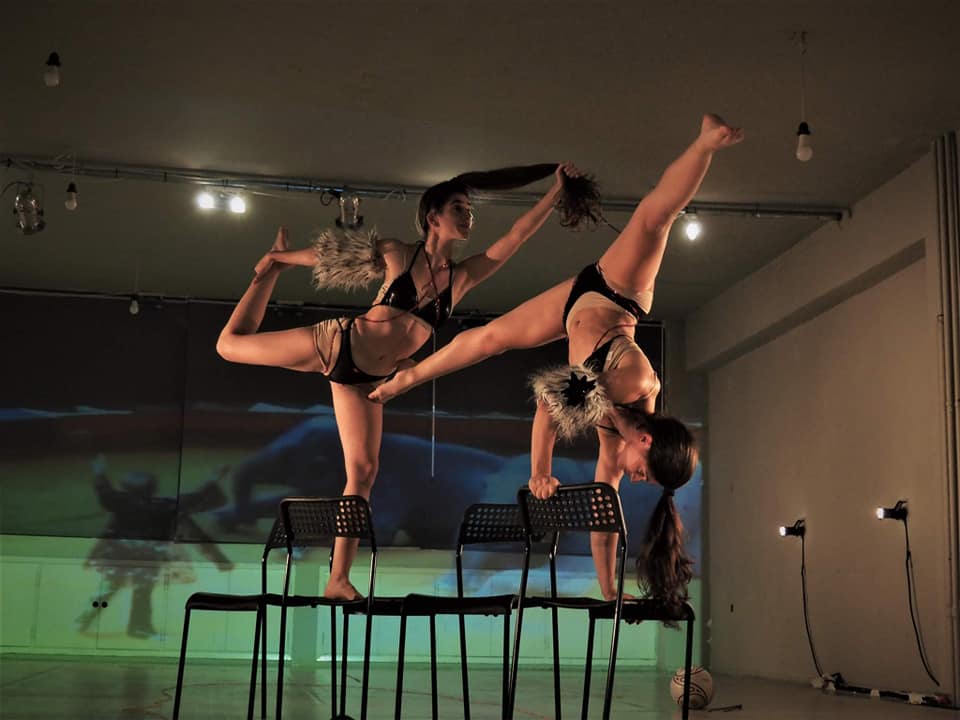
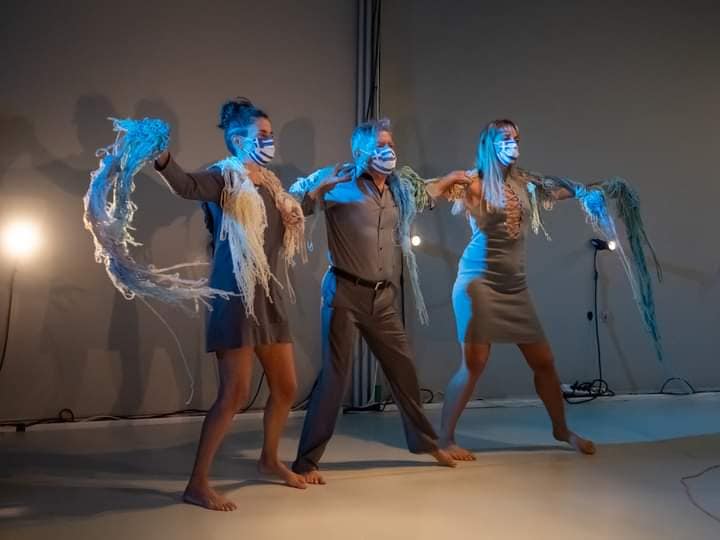
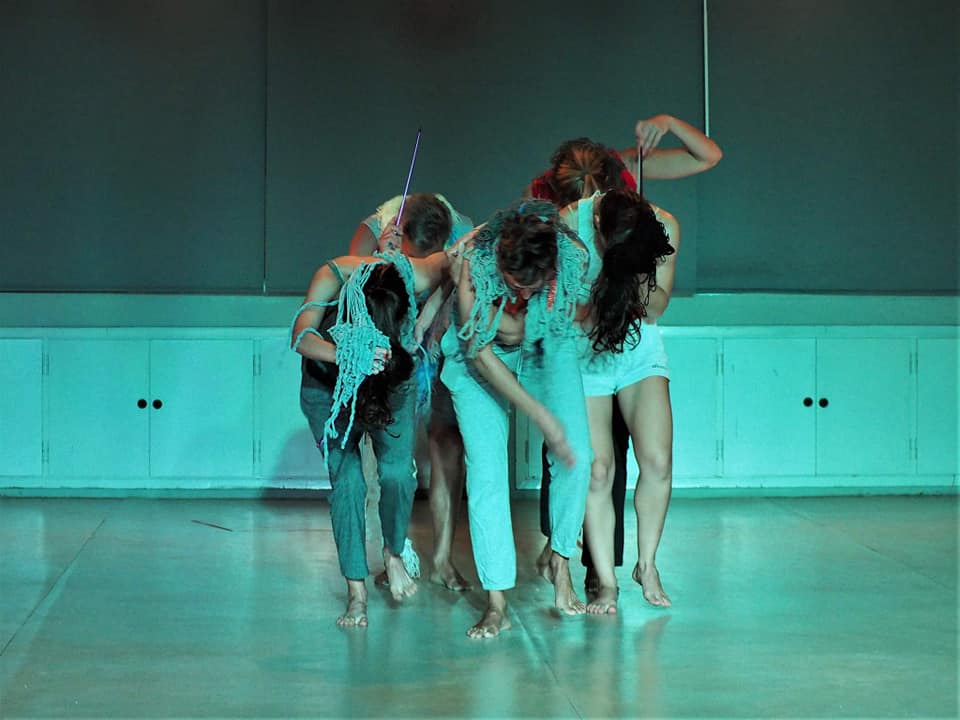
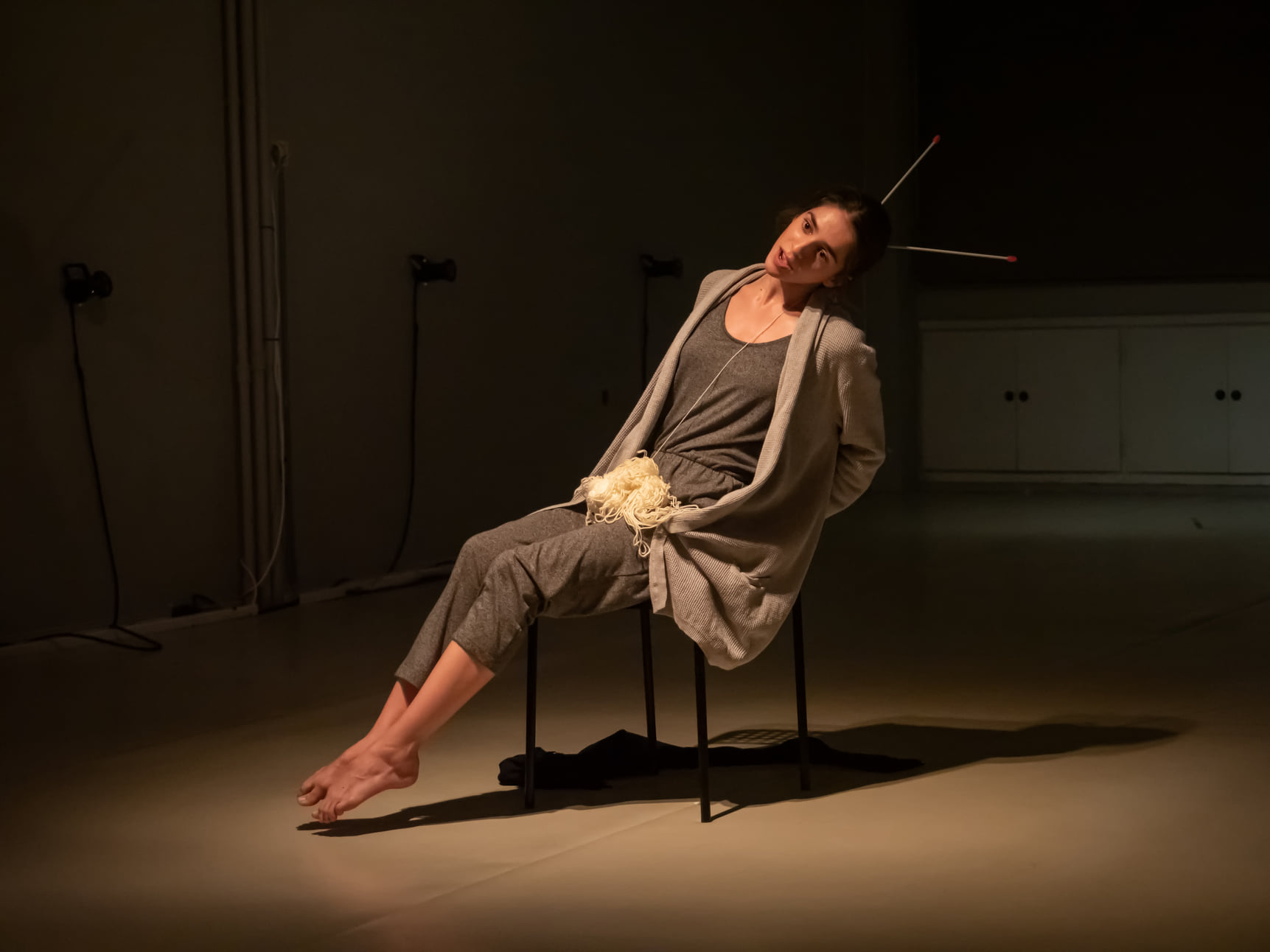
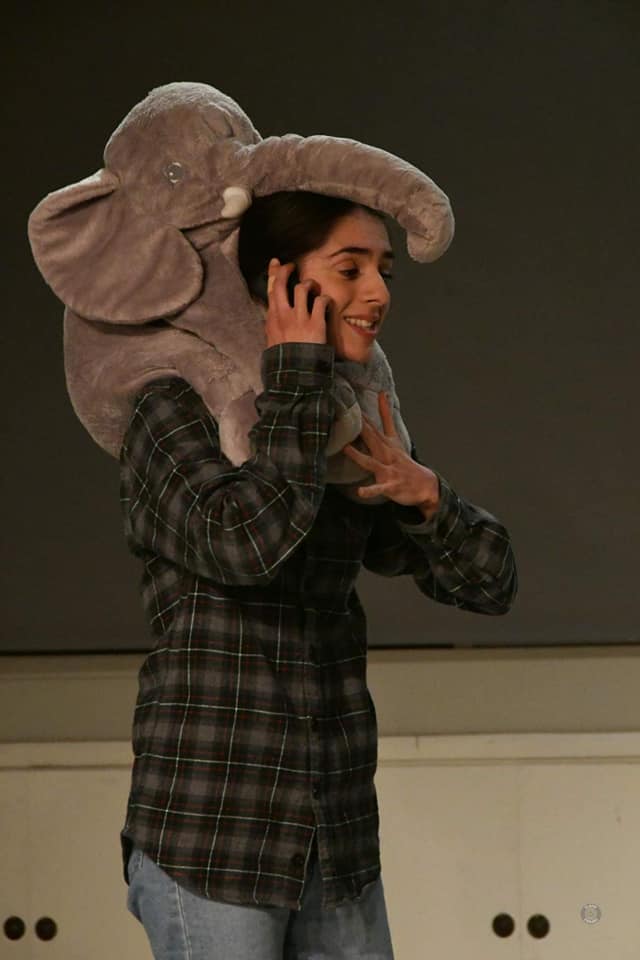
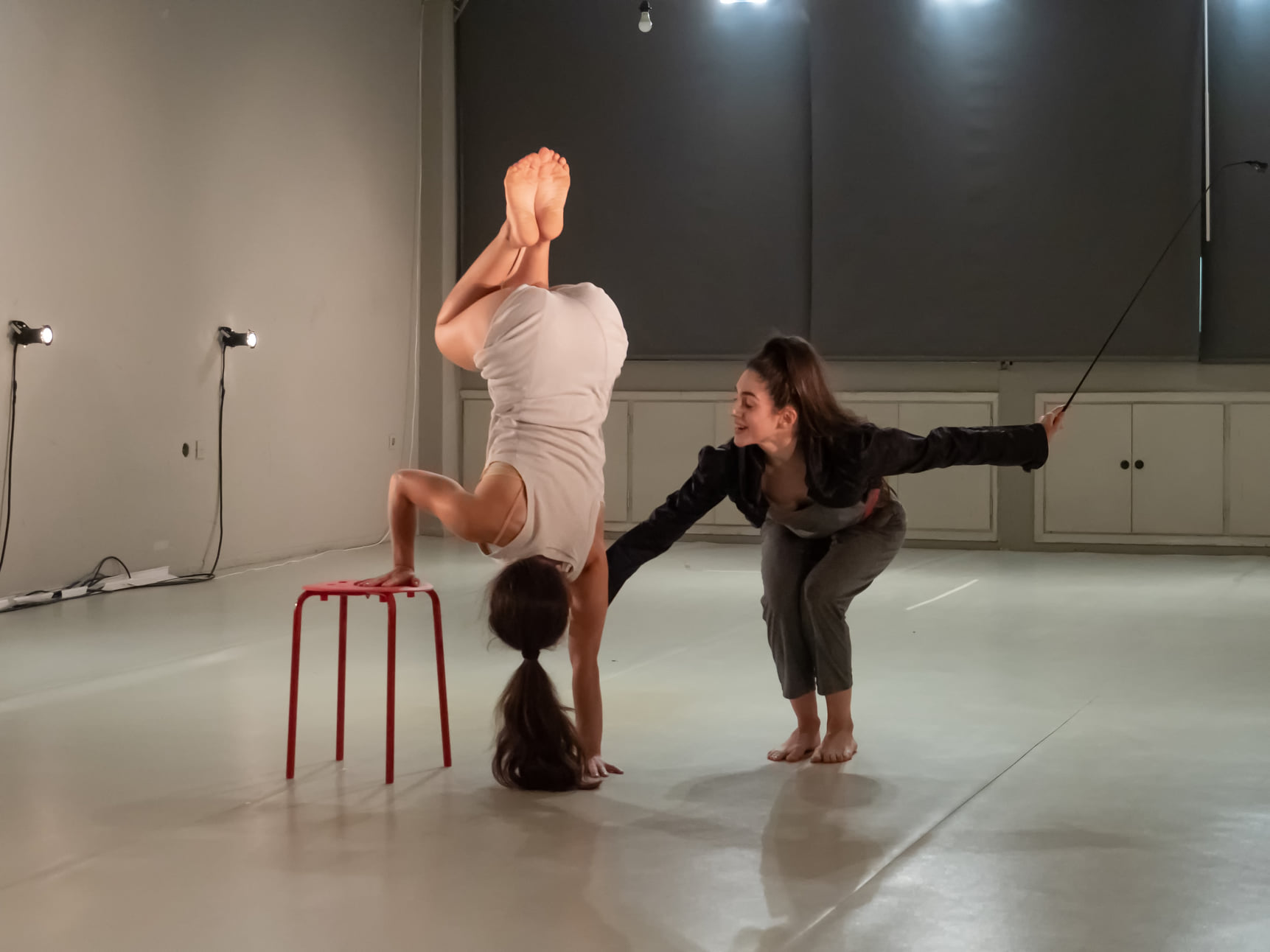
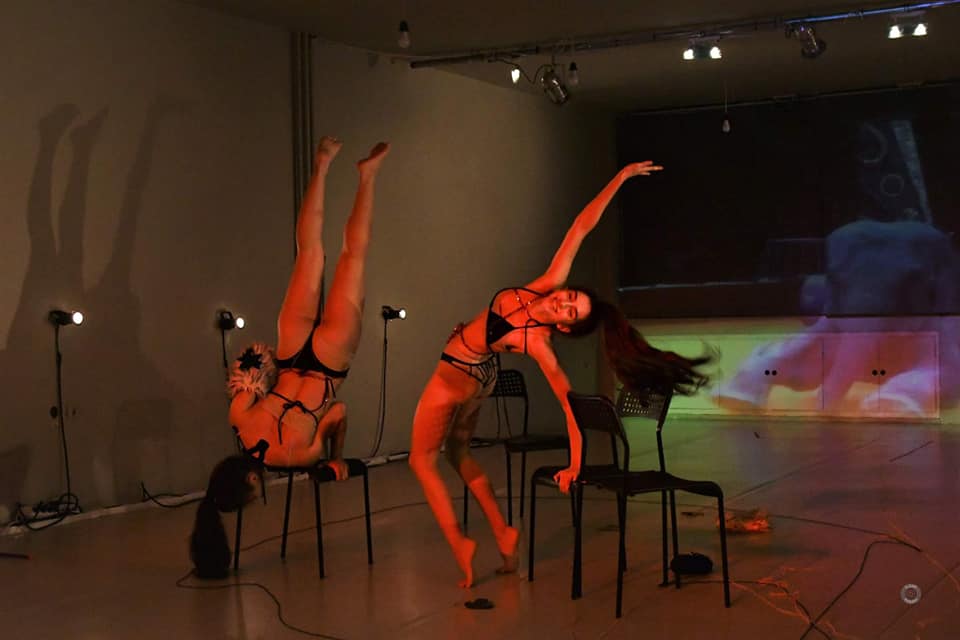
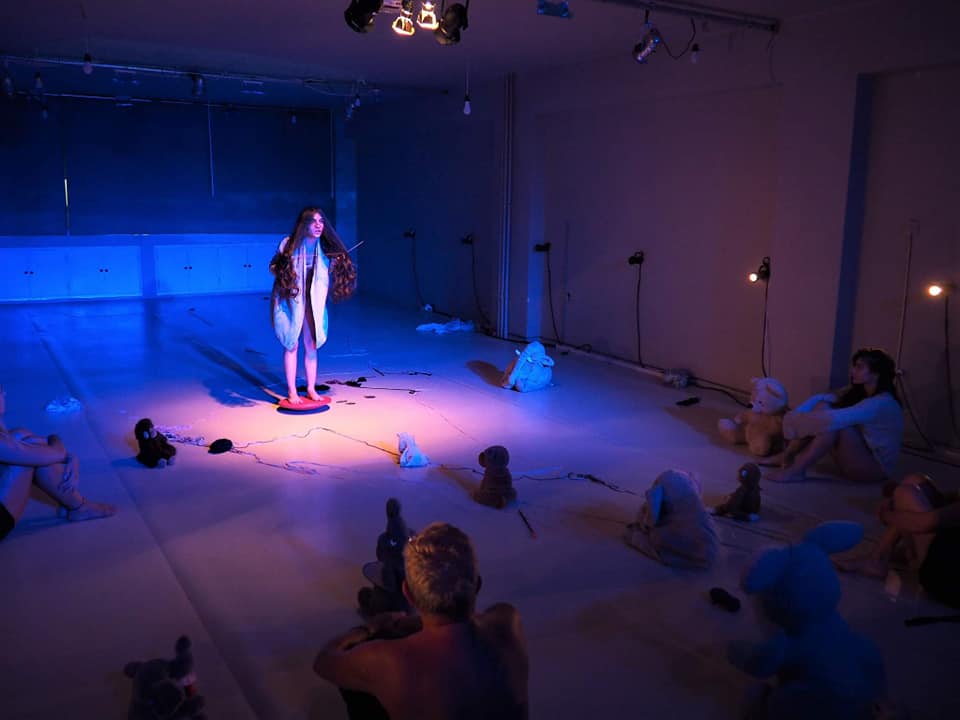
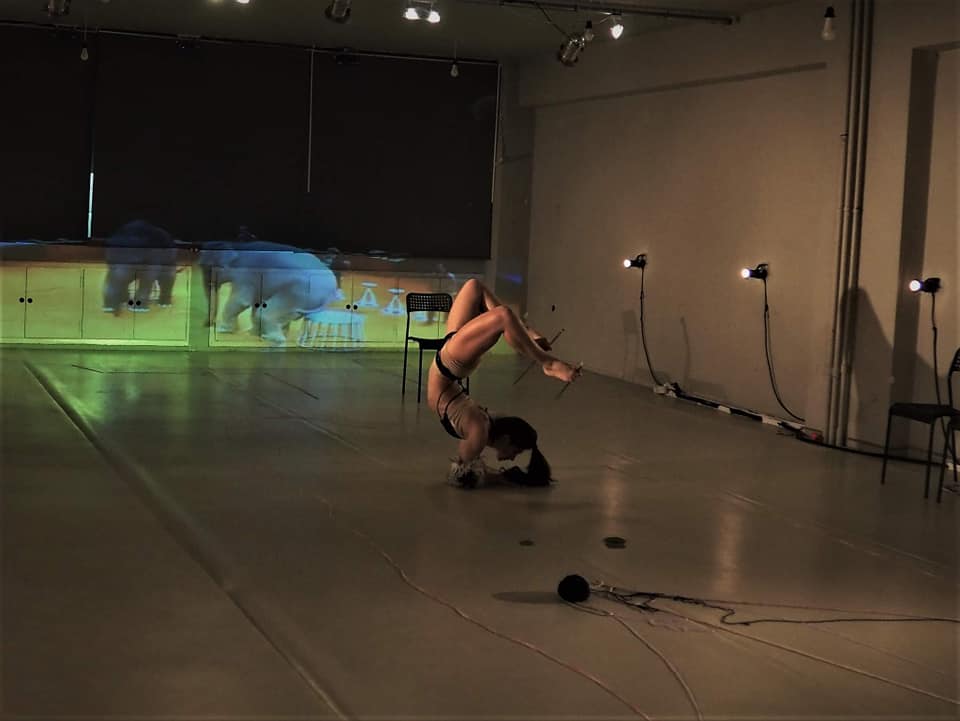
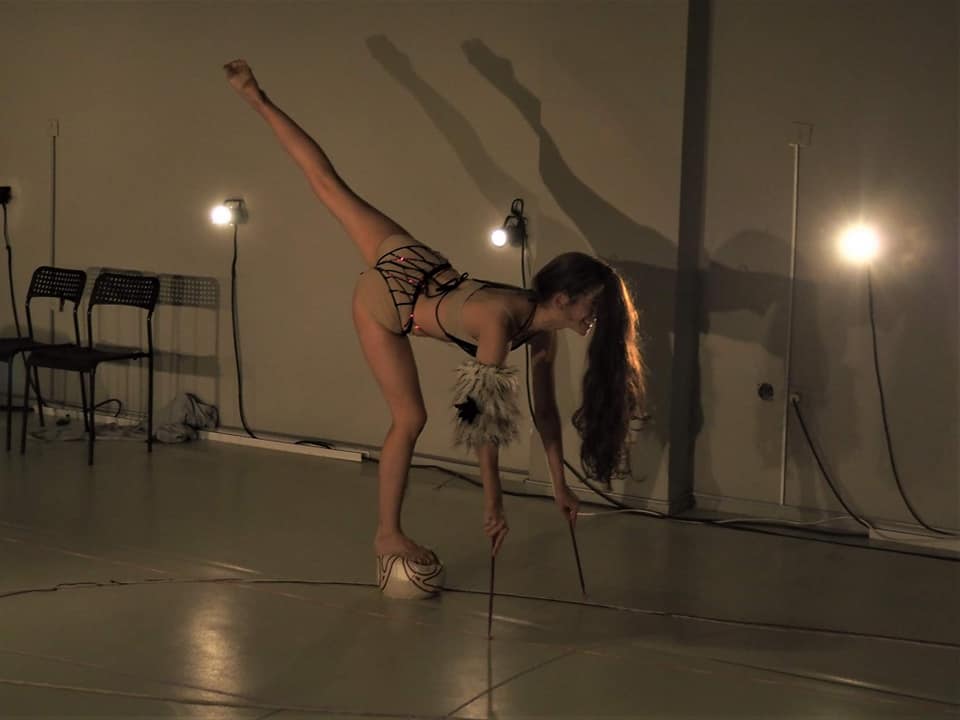
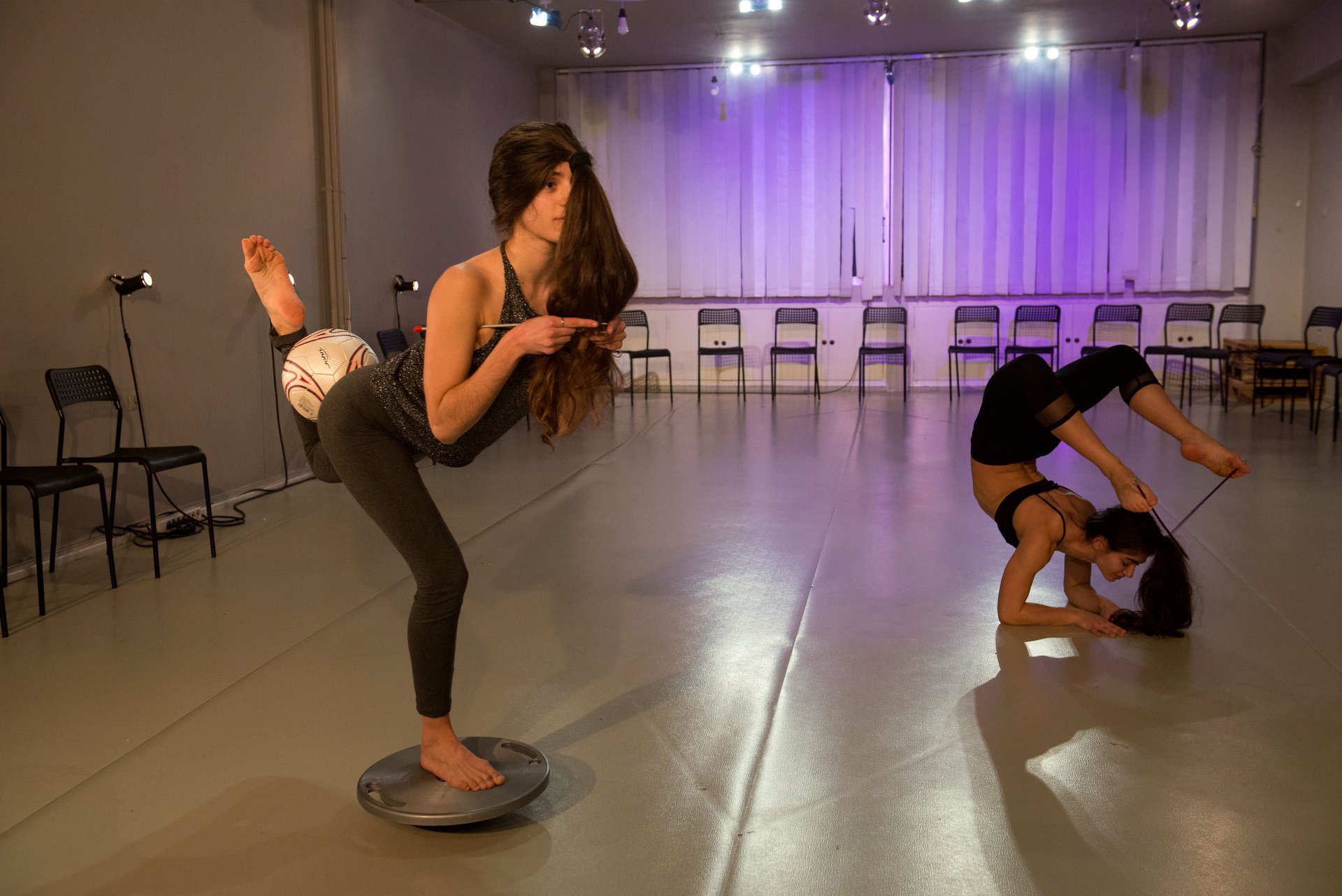
What is the relationship between an elephant rider and the elephant? Between Nietzsche’s “Übermensch-Zaratoustra” and the human being? Between a parent and their child? Between a trainer and the trained animal (or human)? Continuing along the same trajectory as her previous works focusing on relational inquiry, the choreographer primarily draws upon tools from contemporary existential theories, as well as psychological theories of the 20th and 21st centuries. Excerpts from Nietzsche’s unique, intensely dynamic, poetic and philosophical text “Thus Spoke Zarathustra” are selected and run throughout the performance, juxtaposed with kinetic images. The main influence stems from the book “The Happiness Hypothesis” by the award-winning psychologist Jonathan Haidt. The human mind, according to Haidt, is divided. It can be compared to an elephant and its rider. The rider represents the conscious part of the mind—the part that reasons and reflects—but it can exercise only limited control over what the elephant does. The elephant comprises the rest of the system: visceral feelings, instinctive reactions, emotions and intuitions, the unconscious. The image of a rider atop an elephant is a metaphor used by the author to illustrate the inability of rational thought to tame or guide this large animal, particularly in the (quite common) case when these two different forms of intelligence fail to cooperate properly.” “Happiness comes from the between,” Haidt tells us, and not solely from within ourselves, as concluded by thinkers such as Buddha and Epictetus. According to one interpretive approach to Nietzsche’s “Zarathustra”, the human being who aspires toward the “Übermensch” believes that self-overcoming is necessary in order to ultimately tame the human–elephant. Excerpt from the book “The Happiness Hypothesis”, Concept–Idea / Choreography / Direction / Set Design / Dramaturgy: Maria Gorgia, Performers: Themis Andreoulaki, Vasiliki Makri, Martina Kosta Diankova, Maria Anezaki, Pavlos Laoutaris, Texts: “Thus Spoke Zarathustra” by Friedrich Nietzsche, Additional Texts: Maria Gorgia and the performers, Lighting Design: Periklis Mathiellis, Music: “Ride of the Valkyries” by Richard Wagner, “Kiss” by Prince, “Strangers in the Night” by Frank Sinatra, Music Curation: Maria Gorgia, Stavros Apostolatos, Speech Coaching: Angeliki Karystinou, Assistant Choreographer: Effie Tzereme , Project Assistants: Effie Tzereme, Maria Iatrou, Press & Communication: Maria Konstantopoulou, Photography: Angeliki Svoronou, Vangelis Angelakis, Giorgos Marinakis.